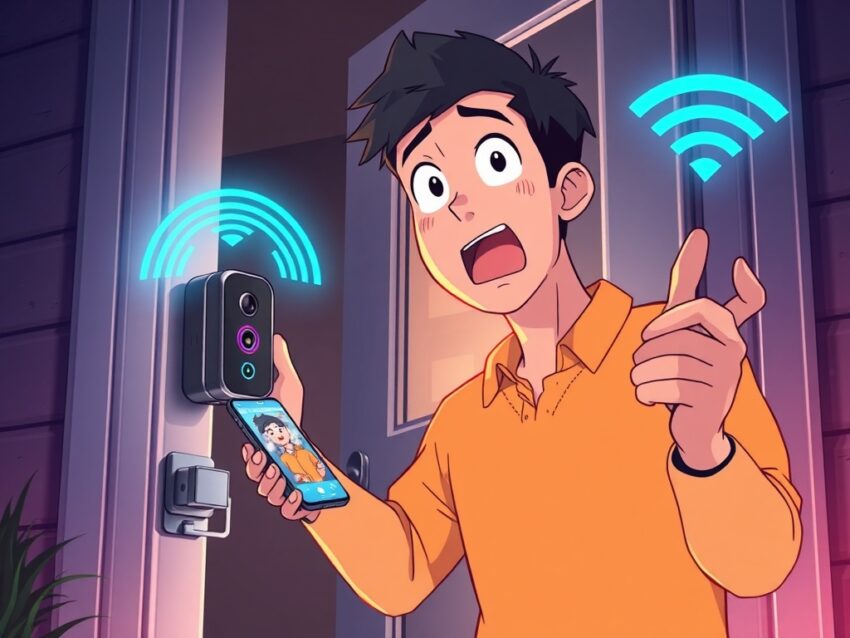
Why Smart Doorbells Are Changing the Way We Secure Our Homes
Let’s be honest—how many times have you missed a delivery, worried about who’s at your door, or felt uneasy when you’re not home? I’ve been there. That’s why I started diving into smart doorbells with video and WiFi. These little gadgets aren’t just fancy toys—they’re real solutions for modern home security. Whether you’re a busy parent, a remote worker, or someone who just wants peace of mind, a smart doorbell can make a huge difference.
But here’s the catch: not all smart doorbells are created equal. There are dozens of options out there, each with its own features, quirks, and price tags. That’s why I’m sharing my step-by-step guide to help you choose, set up, and get the most out of the most popular smart doorbells with video and WiFi.
Step 1: Understanding What a Smart Doorbell Does
A smart doorbell is more than just a doorbell. It’s a mini security camera that connects to your WiFi network, lets you see and talk to visitors from your phone, and often records video. Most models also send alerts when someone rings the bell or when motion is detected.
The main features you’ll find in most smart doorbells include:
- Live video streaming
- Two-way audio (so you can talk to visitors)
- Motion detection
- Night vision
- Cloud or local storage for video clips
- Integration with smart home systems (like Alexa or Google Assistant)
When I first started using smart doorbells, I was amazed at how much control I had. I could check who was at my door while I was at work, talk to delivery drivers, and even scare off suspicious people with a quick “I see you!” from my phone.
Step 2: Choosing the Right Smart Doorbell for Your Needs
There are a few big names in the smart doorbell market, and each has its own strengths. Let’s break down the most popular options:
Ring Video Doorbell
Ring is probably the most well-known brand. Their doorbells are easy to install, have great video quality, and work with Alexa. The Ring app is user-friendly, and you can get real-time alerts on your phone.
Pros:
- Excellent video quality (1080p or higher)
- Wide field of view
- Works with Alexa and Google Assistant
- Easy installation (no wiring needed for battery-powered models)
Cons:
- Subscription required for cloud storage (Ring Protect)
- Some users report occasional lag in video streaming
Amazon Link: Ring Video Doorbell on Amazon
Nest Hello
Nest Hello is Google’s answer to smart doorbells. It offers crisp video, facial recognition (with a subscription), and seamless integration with Google Home devices.
Pros:
- High-quality video (1600p)
- Facial recognition (identifies familiar faces)
- Works with Google Assistant
- Pre-roll video (shows a few seconds before the doorbell is pressed)
Cons:
- Requires a wired connection (not battery-powered)
- Subscription needed for advanced features
Amazon Link: Nest Hello on Amazon
Arlo Essential Wireless Video Doorbell
Arlo is known for its security cameras, and their doorbell is no exception. It’s wireless, easy to install, and offers good video quality.
Pros:
- Wireless installation
- Good video quality (1080p)
- Works with Alexa and Google Assistant
- No monthly fee for basic features
Cons:
- Limited field of view compared to Ring
- Some users report battery life issues
Amazon Link: Arlo Essential on Amazon
Eufy Security Video Doorbell
Eufy stands out because it offers local storage—no cloud subscription needed. The video quality is solid, and the setup is straightforward.
Pros:
- No monthly fees (local storage)
- Good video quality (2K)
- Works with Alexa and Google Assistant
- Easy installation
Cons:
- Limited smart home integration
- No facial recognition
Amazon Link: Eufy Security on Amazon
Step 3: How to Install Your Smart Doorbell
Installing a smart doorbell is usually pretty simple, but the process can vary depending on the model. Here’s a general guide:
Tools You’ll Need:
- Screwdriver
- Drill (if mounting on brick or concrete)
- Level (to make sure the doorbell is straight)
- Smartphone or tablet (for setup)
Step-by-Step Installation:
-
Choose the Right Location: Pick a spot near your front door that gives a clear view of your porch or entryway. Make sure it’s within range of your WiFi network.
-
Remove Your Old Doorbell (if applicable): If you’re replacing an existing doorbell, turn off the power at the breaker, then remove the old unit.
-
Mount the New Doorbell: Use the included screws and bracket to mount the doorbell. Make sure it’s level and secure.
-
Connect the Wires: If your doorbell is wired, connect the wires to the terminals. If it’s wireless, skip this step.
-
Download the App: Install the manufacturer’s app on your smartphone or tablet.
-
Follow the App Instructions: The app will guide you through connecting the doorbell to your WiFi network and setting up your account.
-
Test the Doorbell: Ring the doorbell and check the app to make sure everything is working.
Pro Tip: If you’re not comfortable with wiring, go for a wireless model. Most wireless doorbells are battery-powered and much easier to install.
Step 4: Setting Up WiFi and Mobile Alerts
Once your doorbell is installed, the next step is to connect it to your WiFi network. This is crucial for live video streaming and mobile alerts.
How to Connect to WiFi:
- Open the app and select your doorbell.
- Follow the prompts to connect to your WiFi network.
- Enter your WiFi password when prompted.
- Wait for the doorbell to connect (this can take a few minutes).
Setting Up Mobile Alerts:
- In the app, go to the notifications settings.
- Enable alerts for doorbell rings and motion detection.
- Customize the alert sounds and vibration settings.
Pro Tip: Make sure your WiFi signal is strong near your front door. If the signal is weak, consider using a WiFi extender.
Step 5: Using Two-Way Audio and Video Features
One of the coolest things about smart doorbells is the two-way audio feature. You can talk to visitors from anywhere, as long as you have your phone.
How to Use Two-Way Audio:
- When someone rings the doorbell or motion is detected, you’ll get an alert on your phone.
- Open the app and tap the video feed.
- Tap the microphone icon to talk to the visitor.
Tips for Better Video Quality:
- Keep the lens clean (wipe it with a soft cloth regularly).
- Adjust the angle for the best view.
- Use night vision mode for low-light situations.
Pro Tip: If you have a package delivery, use the two-way audio to tell the driver where to leave the package.
Step 6: Managing Video Storage and Privacy
Most smart doorbells offer cloud storage for video clips, but some (like Eufy) use local storage. Here’s what you need to know:
Cloud Storage:
- Requires a subscription (usually monthly or yearly).
- Video clips are stored online and can be accessed from anywhere.
- Some services offer free storage for a limited time.
Local Storage:
- No subscription needed.
- Video clips are stored on a microSD card or internal memory.
- You’ll need to manage the storage manually.
Privacy Tips:
- Change your default password.
- Enable two-factor authentication.
- Regularly review your video clips and delete any you don’t need.
Pro Tip: If you’re concerned about privacy, go for a doorbell with local storage.
Step 7: Integrating with Smart Home Systems
Many smart doorbells work with smart home systems like Alexa, Google Assistant, and Apple HomeKit. This lets you control your doorbell with voice commands and integrate it with other smart devices.
How to Integrate:
- In the app, go to the smart home settings.
- Follow the prompts to connect to your smart home system.
- Test the integration by using voice commands.
Pro Tip: If you have a smart display (like an Echo Show or Nest Hub), you can see the doorbell feed on the screen.
Step 8: Troubleshooting Common Issues
Even the best smart doorbells can have issues. Here are some common problems and how to fix them:
No Video or Audio:
- Check your WiFi connection.
- Restart the doorbell and your router.
- Make sure the app is up to date.
Poor Video Quality:
- Clean the lens.
- Adjust the angle.
- Check your WiFi signal strength.
False Motion Alerts:
- Adjust the motion sensitivity in the app.
- Make sure the doorbell isn’t facing a busy street or a tree that moves in the wind.
Pro Tip: If you’re still having issues, check the manufacturer’s support page or contact customer service.
Step 9: Maximizing Security and Peace of Mind
A smart doorbell is a great tool for home security, but it’s not a magic bullet. Here are some tips to get the most out of your doorbell:
- Use strong passwords and enable two-factor authentication.
- Regularly update the firmware.
- Review your video clips regularly.
- Consider adding additional security cameras for full coverage.
Pro Tip: If you’re away from home, use the doorbell to check on your house and scare off potential intruders.
Step 10: Making the Most of Your Smart Doorbell
Once your smart doorbell is set up, there are a few things you can do to get the most out of it:
- Use the two-way audio to talk to visitors.
- Set up custom alerts for specific times or events.
- Integrate with your smart home system for voice control.
- Regularly review your video clips and adjust settings as needed.
Pro Tip: If you have kids or pets, use the doorbell to check on them when you’re not home.
Final Thoughts and Recommendations
Smart doorbells with video and WiFi are a game-changer for home security. They give you peace of mind, help you stay connected with your home, and make it easy to monitor who’s at your door.
If you’re looking for a reliable, easy-to-use option, I’d recommend the Ring Video Doorbell for its excellent video quality and seamless integration with Alexa. If you prefer local storage and no monthly fees, go for the Eufy Security Video Doorbell.
No matter which model you choose, make sure to follow the setup and security tips I’ve shared. A smart doorbell is only as good as how you use it.
So, what are you waiting for? Take the first step toward a smarter, safer home today.
Полезные материалы, шаблоны, пошаговые уроки по нейросетям и автоматизации в моем телеграм канале, ссылка в профиле

Полезные материалы, шаблоны, пошаговые уроки по нейросетям и автоматизации в моем телеграм канале, ссылка в профиле
html